Home/Services/Ironmongery Upgrades
Ironmongery Upgrades

Fire Door Ironmongery Upgrades in Croydon and the South East

Closers, hinges, seals, signage and door furniture brought back to a compliant, working standard. A fire door with a slack closer or a missing hinge screw is not a lesser fire door, it is a failed one. Ironmongery is where doors fail first in service and where they are cheapest to put right, so a hardware round across a building buys back compliance without the cost of new doorsets.

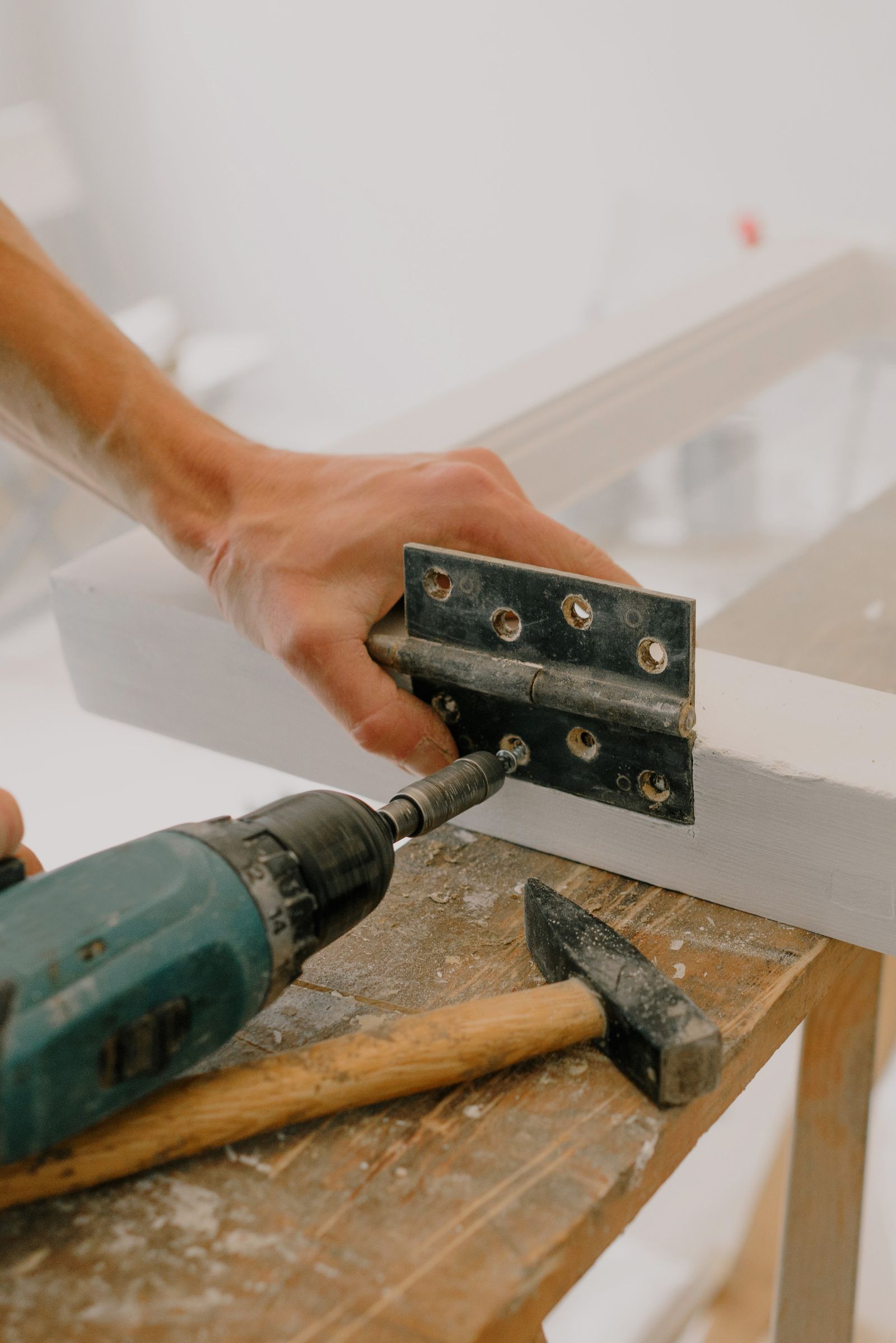
Fire door hinge being fitted to a door edge, M&K Carpentry (South), Croydon
Fire door hinge being fitted to a door edge
What Is Included

Every ironmongery upgrade, covered.

Door closers

Overhead closers supplied, fitted and adjusted so the door closes and latches from standing without slamming, using CE or UKCA marked closers with fire test evidence. Closing force balanced against the corridor's users, because a door too heavy for residents gets wedged, and a wedged fire door protects nobody.

Hinges

Fire doors carry a minimum of three certificated hinges, tight, unpainted and with every screw present, the fixings matching the hinge specification. Worn, undersized or cracked hinges swapped for tested patterns so the leaf hangs square and the gaps stay where they were set.

Intumescent and smoke seals

Perimeter seals replaced where they are painted, crushed or missing, in the size and type the doorset's certification calls for, with combined intumescent and smoke seals where the door protects an escape route. Drop seals and threshold provision where the gap at the floor is beyond what the certification allows.

Locks, latches and levers

Latches that actually hold the door in its frame, lever furniture that clears the latch reliably, and locks with intumescent protection behind them. On flat entrance doors, hardware balanced against security as well as fire, so the door does both jobs.

Signage

Fire Door Keep Shut, Fire Door Keep Locked and Automatic Fire Door Keep Clear signage fitted at the standard height on the correct faces, and mandatory escape signage on final exits. Small, cheap, and one of the first things an inspecting officer looks for.

Hold-open devices done legally

Doors that are wedged open replaced with electromagnetic hold-open or free-swing devices that release on the fire alarm, where the building's alarm system supports them. Residents keep the convenience, the building keeps its compartment lines, and the wedges go in the bin.

Questions

Asked and answered.

Why does the ironmongery on a fire door matter so much?

Because the hardware is what makes the leaf perform. The hinges keep it aligned in its frame, the closer shuts it, the latch holds it shut against fire pressure, and the seals close the gaps. The doorset was fire tested with hardware of a specific standard in specific positions, so hardware failures are performance failures: a door that does not latch will be pushed open by the pressure of a fire, and a door on two working hinges will drop out of its gap tolerances within weeks.

How many hinges does a fire door need?

Three as a minimum on standard doors, with heavier or taller leaves taking four, exactly as the doorset's certification specifies. They must carry fire test evidence, generally CE or UKCA marked to BS EN 1935 with the appropriate grade, be fitted with the full screw count, and be free of paint. Missing screws and painted hinges are two of the most common inspection failures and among the quickest for us to put right on a hardware round.

My fire doors slam loudly. Can that be fixed without new closers?

Usually. Most slamming is an out-of-adjustment closer: the sweep and latch speeds are set too fast, or the backcheck is doing nothing. Adjusting the valves cures the majority, and where the closer is worn out or was never rated for the door, we fit a tested replacement sized for the leaf. What we will not do is weaken a closer until the door no longer latches; the fix for noise is adjustment, not disconnection.

Are door wedges really that serious?

Yes, and it is not a technicality. A wedged fire door is a hole in the compartment line, and in a corridor fire it lets smoke into the escape route immediately. In blocks of flats, doors in common parts are checked quarterly under the 2022 Regulations, and wedged doors are exactly what those checks are meant to find. Where a door genuinely needs to stand open for daily use, the legal answer is a hold-open device that releases on the alarm, and we fit them.

Can you upgrade the ironmongery without replacing the doors?

In most buildings, yes, and it is the most cost-effective compliance work there is. If the leaf and frame are sound and certificated, new closers, hinges, seals, latches and signage bring the assembly back to standard for a fraction of the cost of doorsets. The honest caveat: hardware cannot rescue a leaf with no certification evidence, an oversized aperture or serious damage. A survey first tells you which doors are upgrade candidates and which are not.

What signage do fire doors legally need?

Doors held shut by a closer take a Fire Door Keep Shut sign on both faces at around eye level. Locked doors such as risers and cupboards take Fire Door Keep Locked. Doors on hold-open devices take Automatic Fire Door Keep Clear. The signs are specified in BS 5499 and expected by inspecting officers, and missing signage is one of the simplest defects to clear across a whole building in a single visit.
Coverage

Ironmongery Upgrades across the South East.

Based in Croydon and out across South London, Surrey and Kent most days, so a survey visit is rarely more than a couple of days away.

Planning an ironmongery upgrade?

Get In Touch

Talk to us about your fire doors.

Tell us what you've got, whether a single door, a block of flats or a commercial building, and we'll arrange a survey and give you a straight, written quote. The quickest way to reach us is a call or a WhatsApp.

CallSpeak to Tony directly
WhatsAppMessage usSend photos of the job
  • Monday to Friday7:30 to 17:30
  • SaturdayBy arrangement
  • CoverageCroydon & the South East

Request a survey

Tell us about the doors or the building and we'll come back to you with a straight answer.

Or call or WhatsApp, whichever suits.